
What is AI Humanizer and How Does It Work?
Understanding AI Humanizers
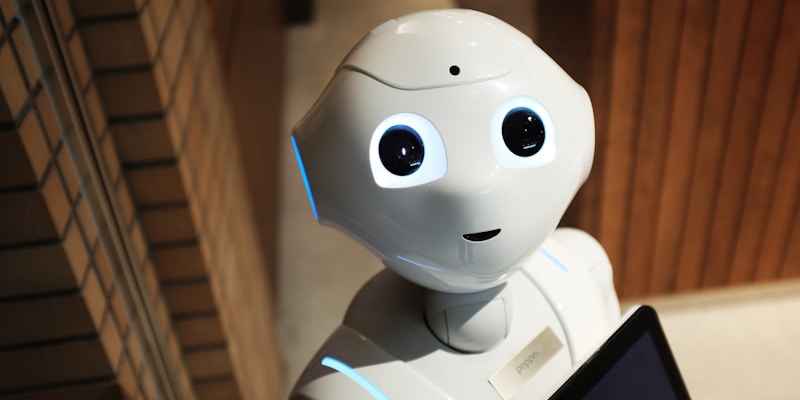
An AI humanizer is a sophisticated tool designed to transform AI-generated content into text that reads naturally and authentically human. As AI writing tools like ChatGPT become more prevalent, the need for humanization technology has grown significantly.
How AI Humanizers Work
AI humanizers use advanced natural language processing to analyze and restructure text. They identify patterns typical of AI writing—such as repetitive sentence structures, formal tone, and predictable word choices—and replace them with more varied, natural expressions.
Key Features of AI Humanization
- Sentence Variation: Introduces diverse sentence lengths and structures
- Tone Adjustment: Makes text more conversational and engaging
- Vocabulary Enhancement: Replaces generic terms with more specific, human choices
- Flow Improvement: Creates natural transitions between ideas
Why Use an AI Humanizer?
AI humanizers serve several important purposes:
- Make AI-assisted content more engaging for readers
- Maintain authenticity while leveraging AI efficiency
- Reduce the "robotic" feel of AI-generated text
- Help content pass AI detection tools when appropriate
StealthWriter AI Humanizer
StealthWriter offers an advanced AI humanizer that uses multiple optimization techniques including rhythm optimization, cliche removal, and style adaptation. Our tool helps you create content that maintains quality while feeling genuinely human.
How AI Detection and Humanization Are Connected
Understanding AI detection is essential to using humanizers effectively. AI detectors analyze text for statistical patterns—perplexity (how unpredictable word choices are) and burstiness (variation in sentence complexity). AI-generated text tends to have low perplexity and burstiness, meaning it is statistically "too perfect."
AI humanizers work by deliberately introducing the kind of natural variation that human writers produce organically. This includes mixing short punchy sentences with longer, more complex ones, using colloquialisms, and adding rhetorical questions or personal observations.
Common Mistakes When Using AI Humanizers
Even with the best tools, users often make mistakes that reduce effectiveness:
- Over-relying on automation: The best results come from combining humanizer output with your own edits
- Ignoring context: Different audiences require different tones—academic papers need different humanization than blog posts
- Skipping the review: Always read the humanized version aloud to catch awkward phrasing
- Not providing good input: The quality of humanized output depends heavily on the quality of the original AI text
AI Humanizer Use Cases by Industry
Different industries leverage AI humanizers in unique ways:
- Content Marketing: Agencies use humanizers to scale content production while maintaining brand voice consistency across hundreds of articles
- E-commerce: Product descriptions generated by AI are humanized to feel more persuasive and less templated
- Education: Students use humanizers to refine AI-assisted research notes into polished essays that reflect their own understanding
- Corporate Communications: Internal memos and reports get humanized to sound more personable and less robotic
The Future of AI Humanization
As AI writing models improve, humanization technology must evolve alongside them. Future humanizers will likely offer style-specific profiles (academic, casual, journalistic), real-time tone analysis, and integration with content management systems. The goal is not to hide AI usage but to ensure AI-assisted content meets the same quality bar as human-written text.
Best Practices for AI Humanization
To get the best results from an AI humanizer:
- Start with well-structured AI content
- Review and customize the humanized output
- Add personal touches and specific examples
- Maintain your unique voice and style
AI humanizers are valuable tools for anyone who uses AI writing assistance but wants to maintain authentic, engaging content that connects with readers.
Related Articles
- What is AI Humanizer and How Does It Work?
- Best Practices for Humanizing AI Content
- AI Humanizer vs Manual Rewriting
- Best AI Humanizers in 2025
- Tutorial: How to Use StealthWriter AI Humanizer
StealthWriter AI Content Tools
Looking for more ways to perfect your content? Explore our complete toolkit:
- AI Humanizer - Make AI-generated text sound natural and authentic
- AI Detector - Verify content authenticity with 99%+ accuracy
- Content Rewriter - Restructure and improve existing content
- Paraphrasing Tool - Express ideas in fresh, original ways
- Grammar Checker - Ensure flawless writing quality
Frequently Asked Questions
What is an AI humanizer?
An AI humanizer revises AI-generated text so it reads more naturally — improving rhythm, word choice, and clarity while preserving meaning. StealthWriter treats humanizing as responsible revision that keeps your author voice, not as a way to disguise authorship.
How does an AI humanizer work?
It analyzes AI-written text for repetitive patterns, uniform sentence length, and generic phrasing, then rewrites it to vary sentence structure, add specificity, and match a natural human cadence — producing clearer, more engaging writing rather than mechanical output.
Is humanized AI content detectable?
It can be. Modern detectors increasingly flag humanized text, so no tool guarantees undetectability. StealthWriter recommends using humanizing to genuinely improve draft quality and pairing it with explainable AI detection for an honest final review.
Is it ethical to use an AI humanizer?
Yes, when used to refine your own drafts and disclosed where required. Responsible humanizing improves clarity and voice; it should not be used to misrepresent authorship or bypass academic-integrity rules.
What makes StealthWriter’s AI humanizer different?
StealthWriter focuses on responsible humanizing — preserving author voice, clarity, and specificity — and connects it to explainable AI detection so you can review originality risk before publishing.
Share
Related Posts
AI Humanizer
An ethical guide to humanizing AI content, exploring when and how to make AI text undetectable while maintaining professional integrity.
Dec 3, 2025

AI Humanizer
A detailed comparison of AI humanization tools versus manual rewriting, helping you choose the right approach for your content needs.
Dec 3, 2025

AI Humanizer
Expert tips and strategies for transforming AI-generated content into natural, engaging text that resonates with your audience.
Dec 2, 2025