How to Use AI Writing Assistants Responsibly and Effectively

Understanding AI Writing Assistants
AI writing assistants are tools that use artificial intelligence to help with various writing tasks, from generating ideas to polishing final drafts. Understanding what they can and cannot do is essential for effective use.
What AI Assistants Do Well
- Generate ideas and overcome writer's block
- Provide alternative phrasings and word choices
- Check grammar and improve clarity
- Help with research and information gathering
- Speed up routine writing tasks
What AI Assistants Cannot Replace
- Original critical thinking and analysis
- Personal experiences and authentic voice
- Emotional intelligence and nuance
- Accountability for accuracy
- Creative vision and artistic direction
Best Practices for Responsible Use
1. Use AI as a Starting Point, Not an Endpoint
AI-generated content should be a foundation you build upon, not a finished product. Always:
- Review and fact-check all AI output
- Add your own insights and perspective
- Ensure the content matches your voice
- Edit for accuracy and relevance
2. Be Transparent When Appropriate
Consider disclosure requirements:
- Academic settings typically require disclosure
- Some publications have AI content policies
- Client relationships may require transparency
- Legal and professional contexts have specific rules
3. Maintain Your Unique Voice
Don't let AI homogenize your writing:
- Infuse personality into AI-assisted content
- Use AI suggestions as inspiration, not dictation
- Develop your style through regular practice
- Read widely to expand your own expression
4. Verify All Information
AI can generate plausible-sounding but incorrect information:
- Cross-reference facts with reliable sources
- Check statistics and data points
- Verify quotes and attributions
- Be especially careful with technical content
Effective Workflow Integration
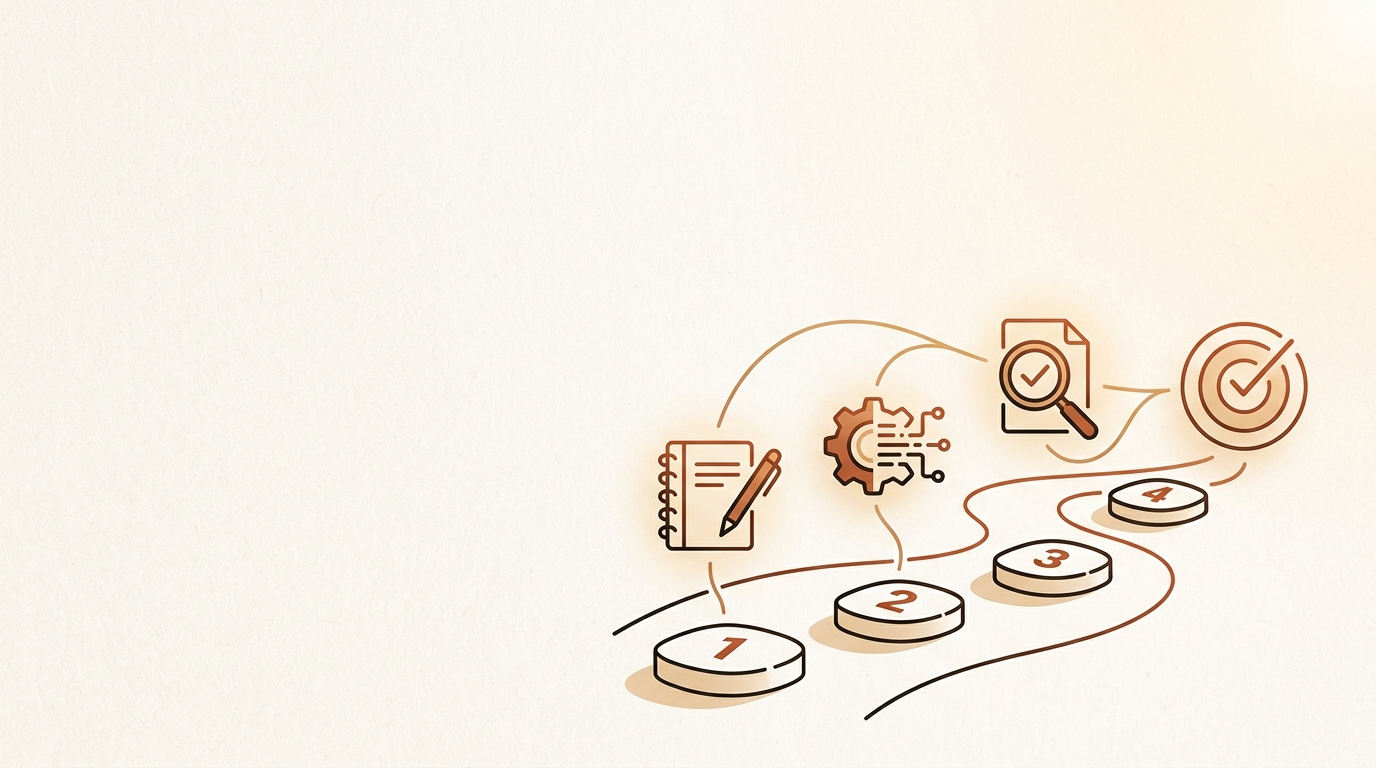
Ideation Phase
Use AI to brainstorm topics, angles, and outlines. Generate multiple options and select the most promising directions.
Drafting Phase
AI can help overcome blank page syndrome. Use it to create rough drafts that you then substantially revise and personalize.
Editing Phase
Leverage AI for grammar checking, style suggestions, and clarity improvements. But always apply human judgment to accept or reject suggestions.
Research Phase
AI can summarize information and identify relevant topics to explore, but always verify with primary sources.
Avoiding Common Pitfalls
Over-Reliance
Don't let AI skills atrophy your own abilities. Continue developing your writing craft independently.
Generic Output
AI tends toward average, common responses. Push beyond the obvious by asking for alternatives and adding your own twist.
Ethical Boundaries
Never use AI to deceive, plagiarize, or misrepresent authorship in contexts where it matters.
The Future of AI-Assisted Writing
As AI tools evolve, so should our practices. Stay informed about new capabilities and emerging best practices in your field.
Conclusion
AI writing assistants are powerful tools that, when used responsibly, can enhance your productivity and creativity. The key is maintaining the human elements that make writing meaningful while leveraging AI's strengths to support your work.
StealthWriter: Responsible AI Writing Tools
StealthWriter is designed with responsible AI use in mind. Our suite of tools helps you work effectively while maintaining authenticity:
- Grammar Checker - Polish your writing without changing your voice
- Paraphraser - Explore different ways to express ideas
- AI Detector - Ensure your content maintains originality
- AI Humanizer - Make AI-assisted content more natural
Experience responsible AI writing assistance with StealthWriter Tools.
Related Guides
- 10 Tips for Writing Original Content
- AI Writing Assistants: Responsible Use
- How to Write Engaging Blog Posts
- Academic Writing Essentials
- Best Practices for Humanizing AI
Enhance Your Content with StealthWriter
Put these tips into practice with our powerful content tools:
- Writing Assistant - Get AI-powered writing suggestions in real-time
- Grammar Checker - Perfect your writing with advanced grammar analysis
- Content Rewriter - Refresh and improve existing content
- AI Detector - Ensure your content reads as authentically human
- Text Summarizer - Create concise summaries of lengthy material
Frequently Asked Questions
How do you use AI writing assistants responsibly?
Use AI writing assistants as a starting point rather than an endpoint, be transparent about assistance when appropriate, maintain your unique voice, and verify all information. These best practices let you gain efficiency while preserving originality and integrity, ensuring AI complements your judgment instead of replacing the thinking that makes writing yours.
What do AI writing assistants do well, and what can't they replace?
AI writing assistants excel at ideation, drafting, restructuring, and speeding up routine tasks. They cannot replace human judgment, lived experience, original insight, or ethical responsibility for accuracy. Understanding this boundary helps you delegate mechanical work to AI while keeping creativity, verification, and voice firmly in human hands.
When should I disclose that I used an AI writing assistant?
Disclose AI assistance when transparency is expected, such as in academic, professional, or publishing contexts with disclosure policies. Being transparent when appropriate builds trust and supports integrity. The article frames disclosure as a core responsible-use practice, alongside verifying information and maintaining your own voice throughout the writing process.
How can I integrate AI into my writing workflow effectively?
Integrate AI across ideation, drafting, editing, and research phases, using it to generate options, refine structure, and check clarity while you guide direction. Verify facts it provides and keep your voice consistent. This phased approach captures efficiency gains without over-reliance, keeping your judgment central at every stage of the workflow.
What common pitfalls should I avoid with AI writing assistants?
Avoid over-reliance that erodes your own skills, generic output that lacks originality, and crossing ethical boundaries around honesty and disclosure. The article warns these pitfalls undermine both quality and integrity. Counter them by adding original insight, verifying information, maintaining your voice, and being transparent about how AI contributed to your work.
Share
Related Posts
Tips & Guides
Academic writing has specific conventions that distinguish it from other forms of writing. Whether you are writing essays, research papers, or dissertations, understanding these conventions is essential for academic success. This guide covers the fundamentals of structure, style, and citations in scholarly writing.
Oct 25, 2025

Tips & Guides
Writing blog posts that truly engage readers is both an art and a science. In a world flooded with content, standing out requires more than good writing—it demands understanding your audience, crafting compelling narratives, and delivering genuine value. This guide shares proven techniques for creating blog content that connects.
Oct 18, 2025

Tips & Guides
Creating original, engaging content is both an art and a science. Whether you are a blogger, student, or professional writer, these ten essential tips will help you produce content that resonates with readers and showcases your unique voice. From research techniques to editing strategies, master the craft of quality writing.
Oct 5, 2025